
Popular Foundation Stabilization Products For Home Improvement Projects
Explore a range of foundation repair solutions that provide dependable support and peace of mind for homeowners and builders.
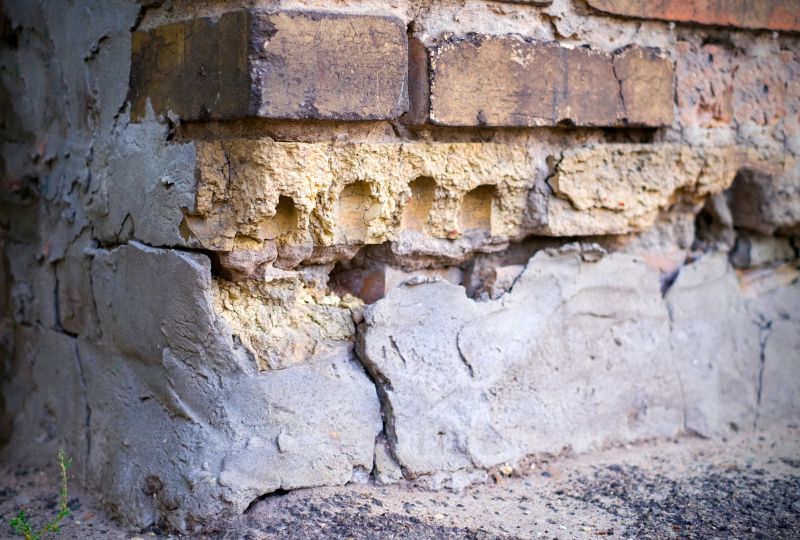 Foundation repairs are essential for maintaining the structural integrity and safety of a building. When signs of foundation issues such as cracks, uneven floors, or sticking doors appear, it is important to consider appropriate repair solutions. Various products are designed to address different types of foundation problems, from minor settling to significant structural shifts. Selecting the right products involves understanding the specific needs of the foundation, the extent of the damage, and the underlying soil conditions.
Top Overall Option
Polyurethane Foam Injection System
Polyurethane foam injection systems are versatile and effective solutions for stabilizing and lifting sunken or uneven foundations. They work by injecting high-density foam beneath the foundation, filling voids and providing immediate support. These systems are suitable for addressing minor to moderate foundation settling and are appreciated for their quick application and minimal disruption to the property. Properly applied, they can help restore stability and prevent further movement, making them a popular choice among homeowners and professionals alike.
Types of Products For Foundation Repairs
Helical Piles
Deep foundation supports that are screwed into the ground to provide stability for structures with shifting or sinking foundations.
Push Piers
Steel piers driven into the soil beneath the foundation to lift and stabilize settling structures.
Slab Jacking
A process that lifts sunken concrete slabs using a grout or polyurethane foam injection beneath the slab.
Underpinning Systems
Methods that extend the foundation's depth or width to improve stability, often involving concrete or steel supports.
Carbon Fiber Reinforcement
High-strength carbon fiber strips used to reinforce and prevent cracking in foundation walls.
Crack Injection Sealants
Materials designed to fill and seal cracks in concrete and masonry to prevent water intrusion and further damage.
Soil Stabilization Products
Chemical treatments or grouts used to improve soil properties around the foundation, reducing settlement.
Waterproofing Membranes
Membranes and coatings applied to foundation walls to prevent water ingress and protect against moisture damage.
Anchor Bolts
Steel bolts used to secure foundation walls to the framing, providing additional reinforcement.
Grout Injection Systems
Specialized grout used to fill voids and stabilize the soil beneath the foundation.
Hydraulic Push Piers
Hydraulically driven piers that lift and stabilize foundations affected by settling.
Polyurethane Foam Fillers
Foam-based products used to fill voids and lift sunken slabs or foundation sections.
Steel Support Beams
Structural steel beams used to reinforce and support compromised foundation walls.
Epoxy Crack Repair Kits
Epoxy resins formulated for sealing and repairing cracks in concrete and masonry foundations.
Soil Grouting Equipment
Tools and materials used to inject grout into soil for stabilization and support.
Popular Choices
Widely used for small to medium foundation repairs, offering quick application and minimal disturbance.
Commonly selected for their versatility in supporting various foundation types and soil conditions.
Often chosen for their ability to lift and stabilize sinking foundations with proven performance.
Popular for sealing cracks and preventing water intrusion in foundation walls.
Effective for leveling uneven concrete slabs, especially driveways and sidewalks.
Frequently used for reinforcing cracked basement walls to prevent further cracking.
Commonly applied to exterior or interior foundation surfaces to reduce moisture issues.
Popular for quick and durable crack sealing in concrete foundations.
Often used in areas with loose or shifting soil to improve foundation support.
Steel or wood beams are frequently used to provide additional support to compromised foundation walls.
In Jeffersonville, IN, homeowners and contractors often seek reliable foundation repair products to ensure long-lasting results. These products range from simple sealing solutions to complex underpinning systems. Proper application and compatibility with existing structures are critical factors that influence the effectiveness of repair efforts. Consulting with professionals can help determine the most suitable products for each unique situation.
While DIY options are available for minor repairs, more extensive issues typically require specialized equipment and expertise. Quality foundation repair products are designed to stabilize and support the structure, preventing further deterioration. It is advisable to choose products that are durable, easy to install, and appropriate for the specific type of foundation and soil conditions encountered in Jeffersonville and surrounding areas.
Investing in the right foundation repair products can help preserve property value and ensure safety. Whether addressing small cracks or significant shifts, understanding the variety of available options will aid in making informed decisions. Always consider the long-term performance and compatibility of products with your foundation to achieve the best possible outcome.
Key Buying Considerations
- Assess the extent of foundation damage to determine suitable repair products.
- Consult with a foundation specialist to identify underlying soil conditions and appropriate solutions.
- Choose products compatible with your foundation type, whether concrete, masonry, or pier-supported.
- Consider the longevity and durability of materials used in the repair process.
- Evaluate the ease of installation, especially if considering DIY options versus professional services.
- Check for products that offer flexibility for future repairs or adjustments.
- Ensure that the repair products are suitable for the local climate and moisture conditions in Jeffersonville, IN.
- Review manufacturer instructions and warranties to understand the expected performance.
- Prioritize products that minimize disruption to your property and daily life during application.
- Determine if the repair solution addresses both immediate stabilization and long-term prevention.
- Consider the environmental impact, although not a primary concern, to ensure no adverse effects.
- Research the reputation and reviews of the product or system for reliability and user satisfaction.
- Verify that the products meet local building codes and standards for foundation repair.
- Budget accordingly, balancing cost with the quality and expected lifespan of the repair materials.
- Plan for professional assessment and installation if the damage exceeds DIY capabilities.